Five Thousand Homes
Ten of the 18 developments in this directory publish a planned home count, and at about 5,000 Sumadhura Kannamangala is the largest of them by a clear margin. The next largest is about 3,050 and the smallest about 300. On land it is second, at about 75 acres against a maximum of about 100. It is one of only three projects here classified as a township rather than a standalone apartment scheme.
Five thousand homes is a population rather than a building. For scale, it is roughly sixteen times the smallest scheme tracked in this directory and about four times what a typical entry here plans. A development of that size is not a project you buy into so much as a settlement you move to, with its own internal road network, its own retail and its own phasing programme running over years.
The quoted entry of about Rs 95 lakh is the fifth-lowest of the 18, well below the corridor median of about Rs 1.38 crore. Scale and price move together here in the direction buyers hope for but rarely find: this is among the cheapest entries in the directory and simultaneously the largest development in it.
Sumadhura Kannamangala Against the Directory
Where each figure sits among the 18 projects tracked here. Rows without a position are ones this project has not published.
- Developer
- Sumadhura Group
- Locality
- Kannamangala
- Project type
- Township
- Starting price
- Rs 95 lakh onwards
- Planned homes
- 5,000
- Land area
- About 75 acres
- Density
- About 67 homes per acre
- RERA registration
- No project registration number issued yet
5th lowest of 18
most of 10
2nd largest of 12
4th densest of 9
Buying Into a Phase, Not a Project
A 5,000-home township is built and handed over in phases across a programme measured in years, and its registration follows the same pattern. The position recorded for this project states it explicitly: township scale is filed phase-wise before each phase launch, so there is no single registration covering the whole 75 acres and there is not intended to be one.
That makes the phasing question the most important one you can ask here, more than at any other entry in this directory. Which phase does the unit sit in. What is its declared completion date. What is scheduled to be built immediately next to it, and when. Is that phase registered yet, and if a number is quoted to you, does it cover your phase or an earlier one. A registration for phase one tells you nothing binding about phase four.
The exposure this creates is specific and asymmetric. Early phases are delivered into an active construction site with amenities that may not be open; later phases are delivered into a finished environment but carry the risk of arriving years after they were sold. Neither is wrong, but they are different purchases at the same address, and the sales conversation is rarely organised around telling you which one you are making.
Sixty-Seven Homes to the Acre
About 5,000 homes across about 75 acres works out near 67 homes per acre, which places this in the upper half of this directory's density range but not at the top. The corridor's calculable densities run from about 27 to about 85, so several smaller projects tracked here are considerably denser than this township is.
That is worth stating plainly because size and density are routinely confused. A very large development is not automatically a crowded one, and a compact scheme is not automatically spacious. The two densest entries in this directory are both substantially smaller than this project, and the least dense has about 300 homes on 11 acres. It is the ratio that describes the experience, not the headline count.
At this scale the density figure also varies across the site. A 75-acre township will not be uniformly built out, and the phase you buy into may sit at a materially different local density from the project average. Ask for the tower count, floor count and unit count for your phase specifically rather than for the development, because the project-wide ratio is an average that your particular building may not resemble.
Rs 95 Lakh at the Corridor's Largest Scheme
The quoted entry is about Rs 95 lakh, fifth-lowest of the 18 tracked here. Four projects start lower and thirteen start higher, against a span running to about Rs 4 crore and a median near Rs 1.38 crore. This is roughly two-thirds of the median.
The four configurations run 2 BHK, 3 BHK, 3.5 BHK and 4 BHK across roughly 1,150 to 2,700 sqft. There is no 1 BHK, so the entry ticket starts at a two-bedroom home rather than a compact unit, which means the quoted price is closer to a realistic entry than at some of the cheaper projects in this directory where the headline refers to a studio-scale format.
The exclusions are the usual ones and deserve one township-specific addition. Floor rise, facing premium, parking, club membership, corpus, maintenance, registration, stamp duty and GST all sit outside the quoted figure. On a 5,000-home development, ask what the recurring maintenance covers and how it is apportioned between phases, because residents of an early phase can find themselves funding infrastructure that later phases will use.
Pre-Launch, With Phase-Wise Filing Ahead
No Karnataka RERA project registration number has been issued at the time of this update. The recorded position is pre-launch with registration awaited, and it notes that township scale is filed phase-wise before each phase launch. This sits with the fourteen of 18 projects in this directory holding no number, against the four that do. The other Sumadhura project tracked here is in the same position.
Until a number covering your unit exists, no booking or agreement can lawfully be executed and any amount collected is an expression of interest rather than a booking. Ask what the receipt describes the payment as, obtain the refund trigger and timeline in writing, and keep the correspondence. On a phase-wise project, add one question: which phase is the payment against.
The scale figures on this page are pre-registration intent. About 5,000 homes and about 75 acres are the developer's current position, and on a phased township both can change phase by phase as each filing is made. When a number is issued for the phase you are considering, verify it on the state portal, confirm it is project-class rather than agent-class, check the declared home count and acreage for that phase against what you were told, and confirm the promoter entity holding it is the entity named on your agreement.
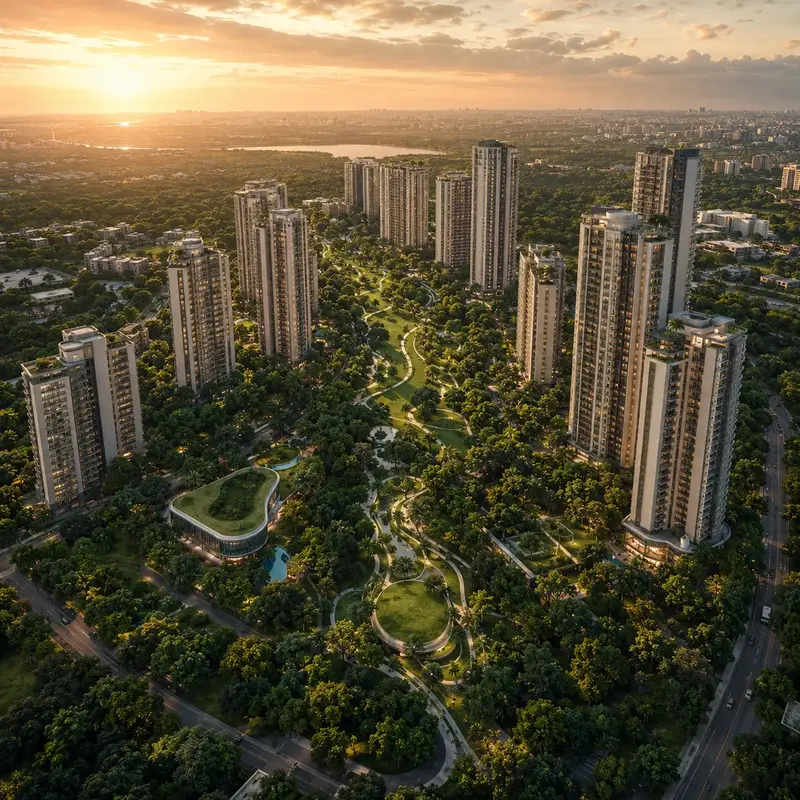
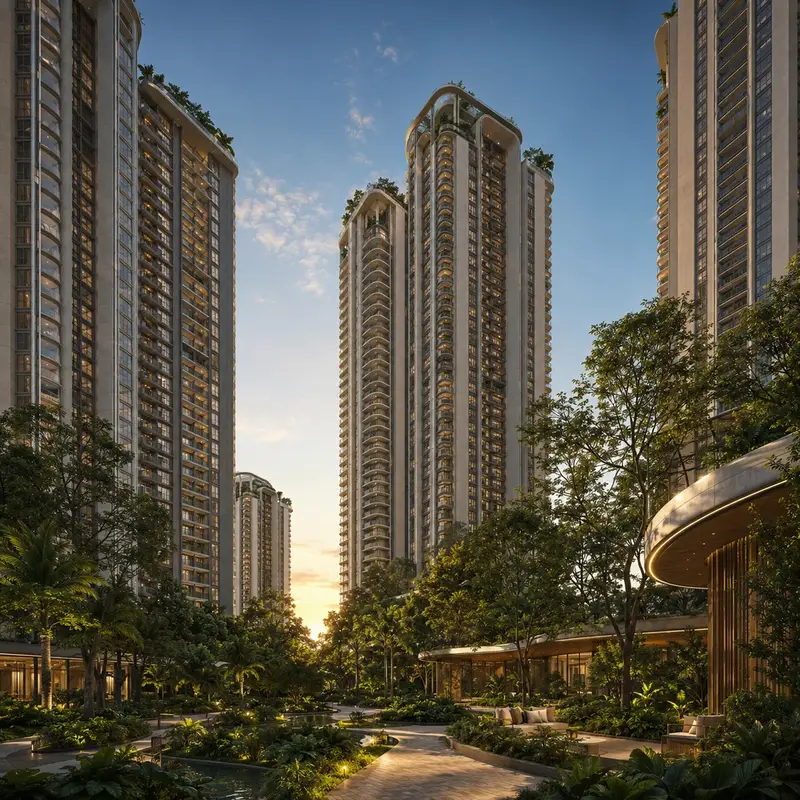
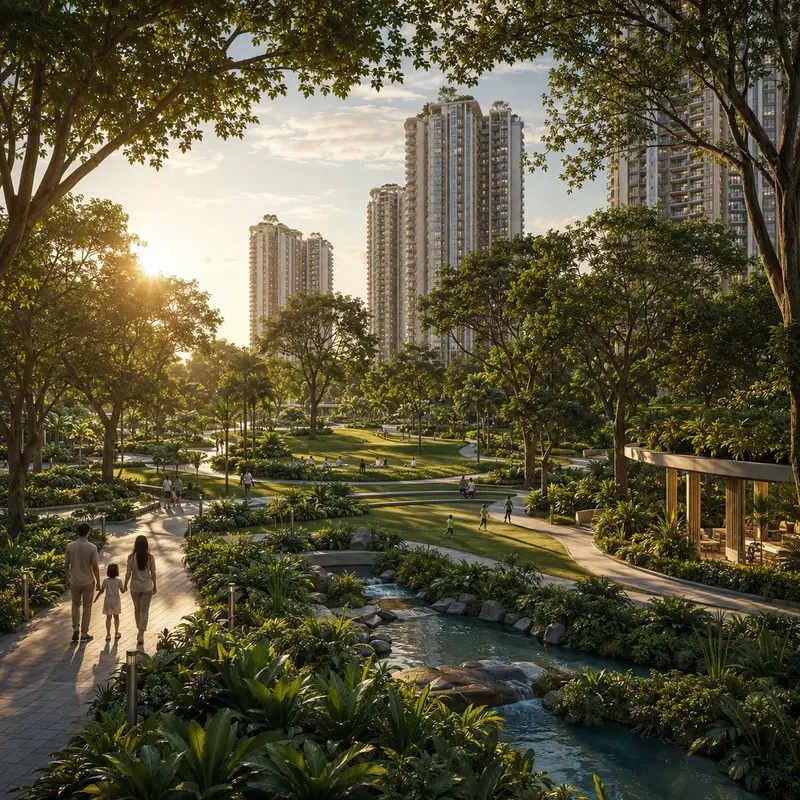
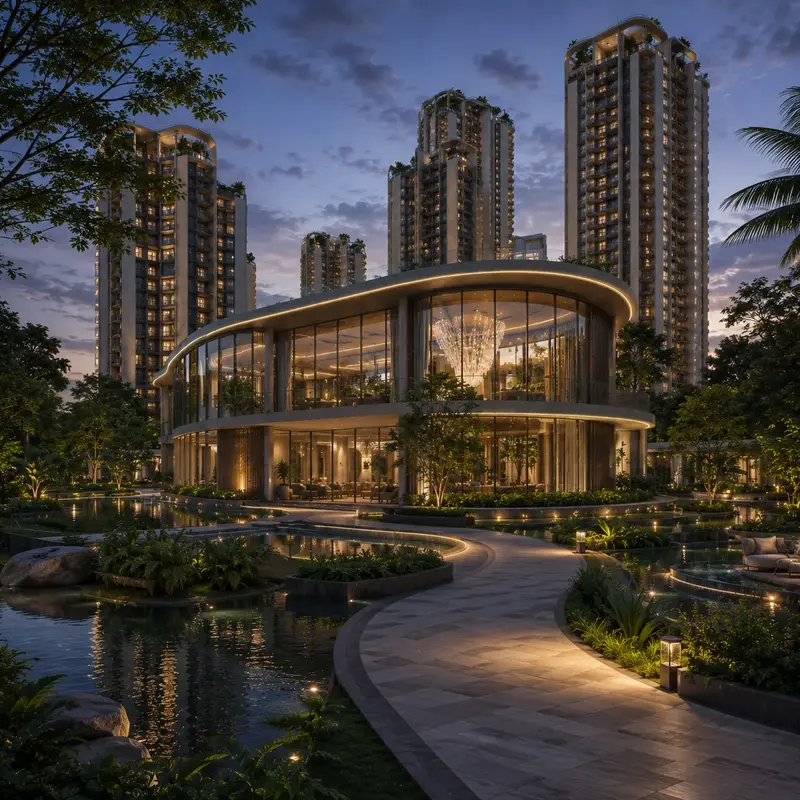
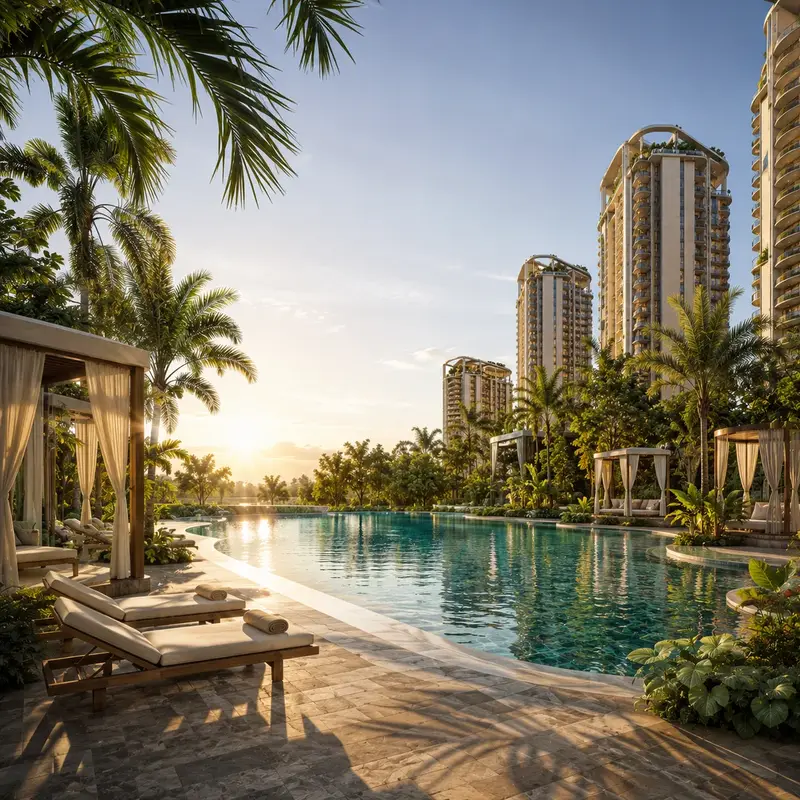
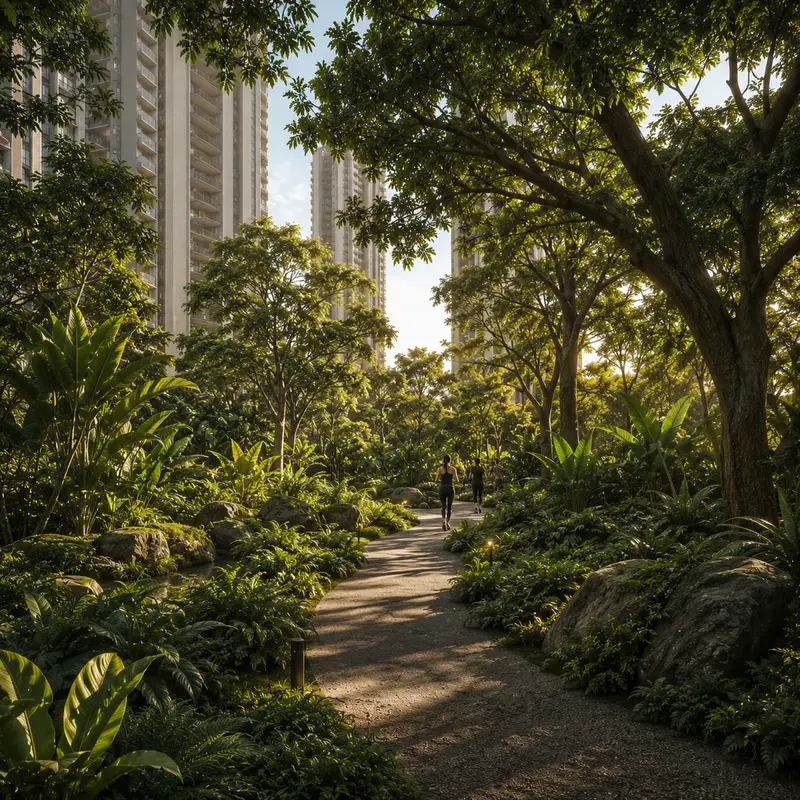
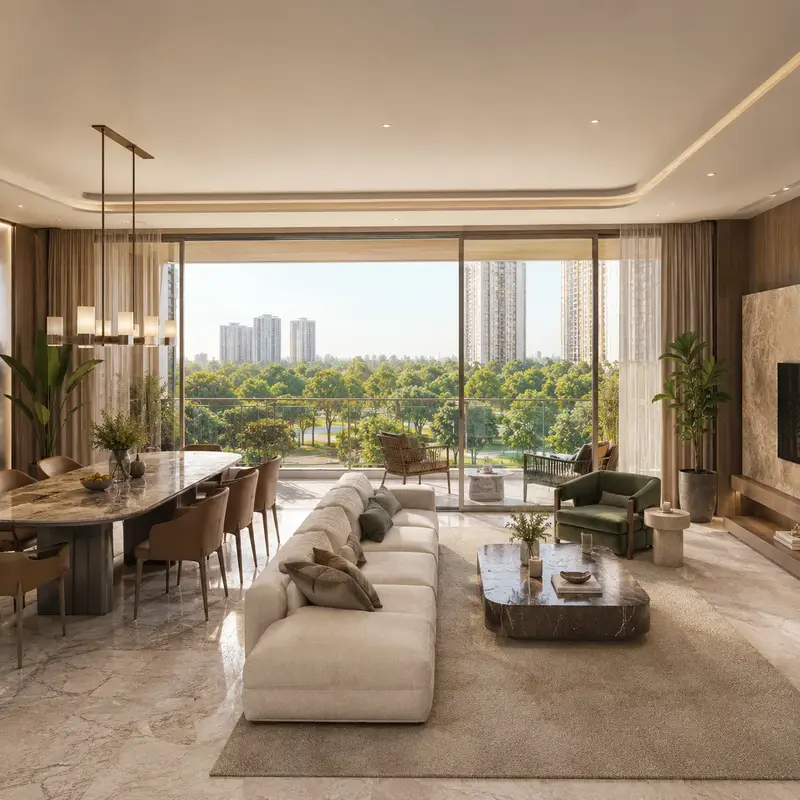
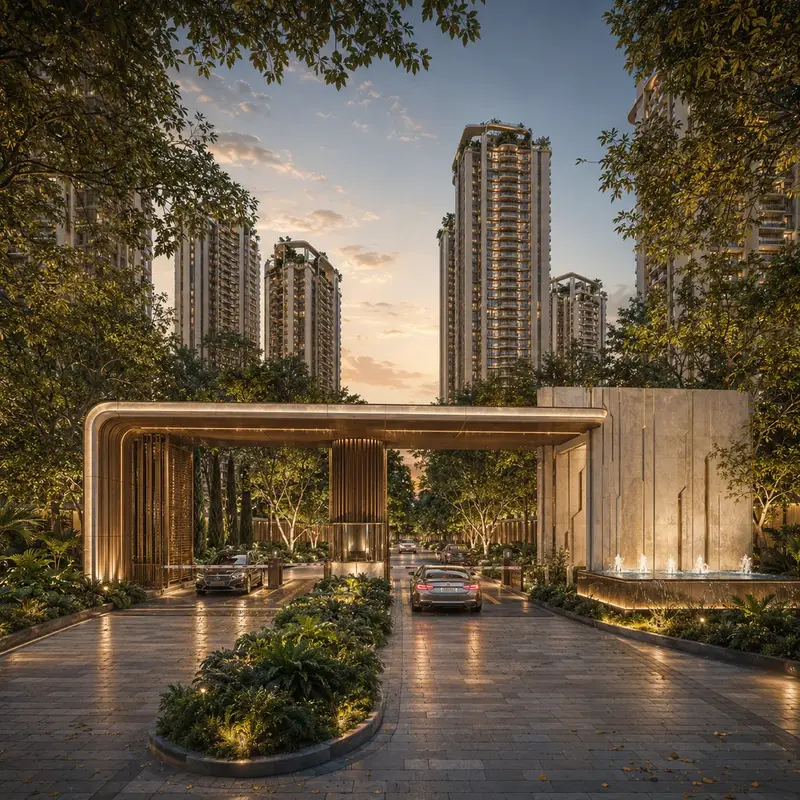
Sumadhura Kannamangala Images
Developer renders and marketing imagery. Renders show intent, not a finished building.
Sumadhura Kannamangala FAQs - Frequently Asked Questions
The questions buyers ask most often about Sumadhura Kannamangala.
Is this the largest project in the Whitefield corridor?
By home count, yes, among the 18 tracked in this directory. About 5,000 homes is the largest of the ten projects here that publish a count, ahead of the next largest at about 3,050 and roughly sixteen times the smallest at about 300. By land area it is second, at about 75 acres against a maximum of about 100.
Is it RERA registered?
No number has been issued at the time of this update. The recorded position is pre-launch, and it notes that township scale is filed phase-wise before each phase launch, so there will not be a single registration covering the whole 75 acres. Fourteen of the 18 projects in this directory hold no number and four do; the other Sumadhura project here is also unregistered.
What does phase-wise registration mean for me?
That any number quoted to you may cover a different phase from the unit you are being sold. A registration for phase one is not binding on phase four. Ask which phase your unit sits in, whether that phase is registered, what its declared completion date is, and what is scheduled to be built immediately next to it and when.
How dense is a 5,000-home township?
Near 67 homes per acre, which is in the upper half of this directory's range but not at the top. The corridor's calculable densities run from about 27 to about 85, and the two densest projects tracked here are both substantially smaller than this one. Size and density are routinely confused; it is the ratio, not the headline count, that describes the experience.
Will my phase feel as dense as the project average?
Not necessarily. A 75-acre township will not be uniformly built out, and your phase may sit at a materially different local density from the project-wide figure. Ask for the tower count, floor count and unit count for your phase specifically rather than for the development as a whole, since the average may not resemble your particular building.
How does the price compare with the rest of the corridor?
The roughly Rs 95 lakh entry is fifth-lowest of the 18 here, about two-thirds of the corridor median of Rs 1.38 crore. That combination is unusual: this is among the cheapest entries in the directory and simultaneously the largest development in it, where scale and price more often move in opposite directions.
What configurations are planned?
2 BHK, 3 BHK, 3.5 BHK and 4 BHK across roughly 1,150 to 2,700 sqft. There is no 1 BHK, so the entry ticket starts at a two-bedroom home. That makes the quoted entry price closer to a realistic entry than at some cheaper projects in this directory whose headline figure refers to a studio-scale unit.
What should I ask about maintenance?
What it covers and how it is apportioned between phases. On a 5,000-home development built over years, residents of an early phase can find themselves funding shared infrastructure that later phases will use. It sits outside the quoted price along with floor rise, facing premium, parking, club membership, corpus, registration, stamp duty and GST.